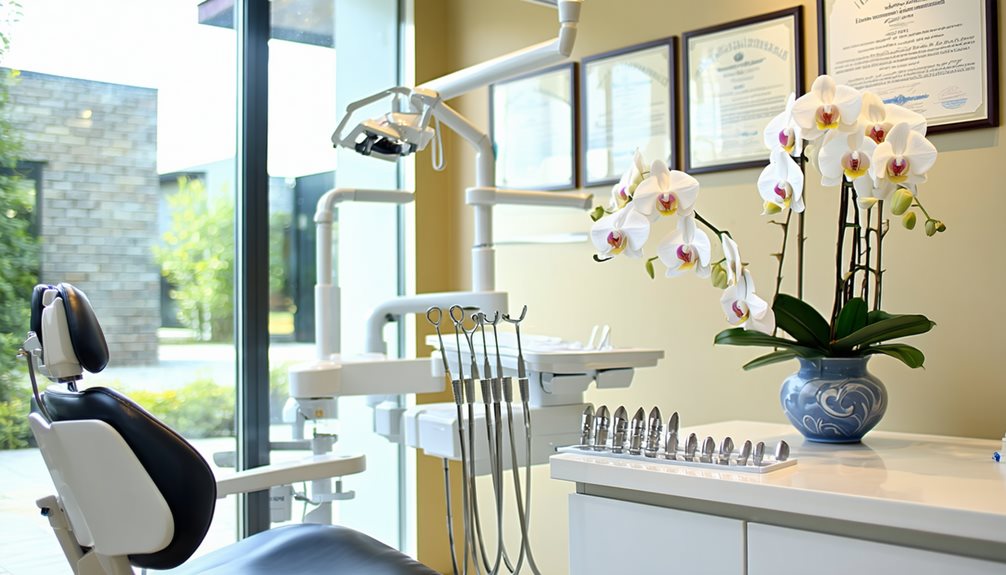
Restorative dentistry offers several advanced treatments to revitalize both the function and appearance of teeth. Leading options include dental implants for stable replacements and crowns for restoring damaged teeth. Bridges fill gaps left by missing teeth, while veneers enhance smile aesthetics. Dentures accommodate full or partial tooth loss with implant-supported options for increased stability. Tooth fillings repair cavities efficiently, and root canal therapy addresses deep-seated infections. Selecting the right treatment involves considering factors like damage extent, personal preferences, and budget constraints. Discover local top dentists skilled in these cutting-edge procedures to meet specific dental needs and enhance oral health further.
Dental Implants
Dental implants have become one of the most effective solutions for individuals seeking to restore both functionality and aesthetics to their smiles. As a groundbreaking advancement in dental technology, the implant procedure offers a durable and long-lasting alternative to traditional dentures or bridges. By surgically placing a titanium post into the jawbone, dental implants mimic the natural root of a tooth, providing a stable foundation for a prosthetic tooth or crown.
The implant benefits are numerous, contributing to both oral health and patient satisfaction. One of the most notable advantages is the preservation of jawbone density, as the implant stimulates the bone in a manner akin to a natural tooth root. This not only prevents bone loss but also maintains facial structure.
Additionally, dental implants enhance chewing efficiency and speech clarity, greatly improving the quality of life. Compared to other restorative options, implants boast superior durability and longevity, often lasting a lifetime with proper care.
The implant procedure itself, while intricate, has evolved to become minimally invasive, thanks to advances in imaging technology and surgical techniques. This innovation guarantees a high success rate and faster recovery times, making dental implants a preferred choice for many seeking innovative solutions.
Dental Crowns
When it comes to restoring the integrity and appearance of damaged teeth, dental crowns stand out as a versatile solution. These restorations are designed to encase the visible portion of a tooth, offering both protection and an aesthetic upgrade.
Crown procedures have evolved considerably, incorporating cutting-edge technologies that enhance precision and efficiency. Innovations such as digital scanning and 3D printing facilitate custom-fit crowns, ensuring a seamless blend with natural teeth.
The choice of crown materials is pivotal in determining the durability and appearance of the final restoration. Options range from traditional metal alloys to modern ceramics and zirconia.
Metal crowns, known for their strength, are often chosen for molars, while ceramic and porcelain crowns are favored for their natural appearance and biocompatibility, making them ideal for front teeth.
Zirconia, a relatively new material, combines strength with aesthetic appeal, catering to those who desire both resilience and beauty.
Dental Bridges
Dental bridges serve as a practical solution for replacing one or more missing teeth, with several types available, including traditional, cantilever, and Maryland-bonded bridges, each tailored to specific dental needs.
The benefits of dental bridges extend beyond cosmetic improvements, offering enhanced bite functionality and preventing the shifting of surrounding teeth.
Proper maintenance, including regular dental check-ups and diligent oral hygiene, is essential to guarantee the longevity and effectiveness of these restorative devices.
Types of Dental Bridges
Invariably, dental bridges serve as an essential solution for individuals missing one or more teeth, offering both functional and aesthetic benefits. The innovation in bridge types and bridge materials has expanded the options available, allowing patients to select solutions tailored to their specific dental needs.
Primarily, there are four main types of dental bridges: traditional, cantilever, Maryland, and implant-supported bridges.
Traditional bridges are the most common, utilizing crowns on either side of the missing tooth to anchor the prosthetic. They are highly durable and often fabricated from robust materials like porcelain fused to metal or ceramics.
Cantilever bridges, similar to traditional types, anchor on one side only, suitable for areas with limited adjacent teeth.
Maryland bridges offer a conservative approach, employing a metal or porcelain framework bonded to the back of adjacent teeth, eliminating the need for crowns. This type is typically used for front teeth where stress is minimal.
Ultimately, implant-supported bridges represent the pinnacle of modern dental innovation. Using dental implants as anchors, these bridges deliver unmatched stability and longevity, often crafted from advanced materials like zirconia or high-strength ceramics.
Benefits of Dental Bridges
Offering a multitude of advantages, dental bridges play an important role in restorative dentistry, providing both immediate and long-term benefits for those with missing teeth. As a reliable solution, these prosthetics restore functionality by enabling patients to chew and speak confidently.
By filling the gaps left by absent teeth, dental bridges prevent neighboring teeth from drifting out of position, which can lead to misalignment and further oral health complications.
A key advantage of dental bridges lies in their longevity. Crafted from durable materials such as porcelain or ceramics, bridges are designed to withstand the rigors of daily use, often lasting over a decade with proper care.
This durability represents a cost-effective solution for maintaining oral health over time, minimizing the need for frequent replacements.
The aesthetic benefits of dental bridges are equally significant. By closely mimicking the appearance of natural teeth, bridges seamlessly blend with existing teeth, enhancing the overall appearance of one’s smile.
This aspect is vital for individuals seeking to regain not only their dental function but also their self-esteem and confidence.
In today’s cutting-edge dental landscape, the integration of advanced materials and techniques guarantees that dental bridges remain a top choice for innovative restorative care.
Dental Bridge Maintenance
Maintaining the longevity and functionality of dental bridges necessitates diligent care and attention. Dental professionals emphasize the importance of regular maintenance to prevent complications and guarantee peak performance.
Understanding effective bridge care strategies is essential for patients seeking to extend the lifespan of their dental bridges. Here are some key maintenance tips:
-
Daily Oral Hygiene**: Consistent brushing and flossing are vital. Special floss threaders are recommended to clean under the bridge and around the abutment teeth, preventing plaque accumulation and gum disease**.
-
Routine Dental Check-ups: Regular visits to your dentist allow for professional cleanings and early detection of potential issues. These check-ups are integral to maintaining bridge integrity and oral health.
-
Dietary Considerations: Avoid sticky or hard foods that could dislodge or damage the bridge. A balanced diet supports overall oral health and prolongs the life of dental restorations.
Adopting a proactive approach to dental bridge maintenance can greatly enhance their durability and functionality.
The innovative materials and techniques employed in modern dentistry make bridges a reliable solution for tooth replacement. However, patient involvement in daily care remains a vital factor in their lasting success.
Engaging in these maintenance practices not only preserves dental health but also fosters a confident, radiant smile.
Dentures
Dentistry’s evolution over the years has greatly enhanced the options available for those requiring dentures, transforming them into a highly effective solution for individuals with missing teeth.
Today’s dentures are designed with advanced materials and technology, offering a range of denture types tailored to meet individual needs.
Whether it’s full dentures for those missing all teeth or partial dentures for individuals who still have some natural dentition, these prosthetics provide not only aesthetic appeal but also functional improvement.Additionally, implant-supported dentures offer a more stable and long-term option, integrating seamlessly with the jawbone for enhanced comfort and efficiency.
Denture care is a critical aspect of maintaining the longevity and performance of these devices.
The use of specialized denture cleansers and adherence to guidelines provided by dental professionals can greatly extend the life of dentures and guarantee peak oral health.
For those considering dentures, consulting with a top dentist can offer insights into the most suitable options and care practices, facilitating a seamless change and a more confident smile.
Tooth Fillings
Tooth fillings are a fundamental aspect of restorative dentistry, designed to repair cavities and restore tooth integrity.
Various types of fillings, such as amalgam, composite, ceramic, and gold, are available, each with distinct advantages and considerations depending on the material used.
Selecting the right filling involves evaluating factors like durability, aesthetic preference, and the specific needs of the patient, ensuring ideal oral health outcomes.
Types of Tooth Fillings
A variety of dental filling materials are available today, each designed to address specific needs and preferences in tooth restoration.
Selecting the right type of filling can be essential in minimizing tooth sensitivity and enhancing filling longevity. Understanding the options allows patients to make informed decisions that align with their oral health goals.
- Composite Resin Fillings: Known for their aesthetic appeal, these fillings match the natural color of teeth. They are ideal for front teeth and visible areas, providing a seamless appearance.
While they may be less durable than other materials, advances in technology have improved their longevity.
- Amalgam Fillings: A traditional choice, these fillings consist of a mixture of metals, making them highly durable and long-lasting. Their strength makes them suitable for molars, where chewing forces are greatest.
However, they are more noticeable compared to tooth-colored alternatives.
- Glass Ionomer Fillings: Often used for fillings below the gum line, these materials release fluoride, which can help strengthen the surrounding tooth structure.
Though not as strong as other options, they are beneficial in preventing further decay.
Materials Used in Fillings
Selecting the appropriate material for dental fillings is essential in ensuring both functionality and aesthetic value. The choice of materials can greatly influence the longevity and appearance of a dental restoration.
Composite materials, which are made from a mixture of plastic resin and fine glass particles, have become increasingly popular due to their ability to mimic the natural color of teeth. These materials offer a versatile solution for those seeking a more discreet dental restoration, seamlessly blending with the surrounding tooth structure. Additionally, advancements in composite technology have enhanced their durability, making them a competitive option for long-lasting restorations.
In contrast, amalgam fillings, composed of a combination of metals including silver, mercury, and copper, have been a staple in dental care for decades due to their strength and affordability. Despite their durability, the metallic appearance of amalgam fillings has led to a decline in their popularity among patients seeking a more aesthetically pleasing outcome.
However, they remain a reliable choice for restorations in areas of the mouth where aesthetics are less of a concern.
As dental technology continues to evolve, the development of innovative materials promises to further enhance the performance and appearance of tooth fillings, aligning with the growing demand for superior dental care solutions.
Choosing the Right Filling
Determining the ideal filling for a dental restoration hinges on several key factors, including the location of the cavity, the patient’s aesthetic preferences, and the material’s durability and cost.
With advancements in dental technology, patients now have a plethora of innovative options that cater to both functional and aesthetic needs. Selecting the right filling guarantees not only durability but also minimal filling pain and maximum filling longevity.
When choosing a filling, consider the following:
-
Material composition: Options range from amalgam, composite resins, to ceramic and gold. Each has unique properties affecting appearance, durability, and cost.
-
Filling longevity: Materials like gold and ceramic offer superior durability and can last over 15 years, while composite resins typically last 5-10 years.
-
Filling pain management**: Advanced techniques** and materials can greatly reduce post-procedure discomfort, enhancing the patient experience.
An informed decision involves thorough discussion with a dental professional, who can provide insights based on the latest research and technological advancements.
Root Canal Therapy
Root canal therapy stands as a pivotal dental procedure aimed at preserving natural teeth that have been severely damaged or infected. This innovative treatment addresses the need to remove the infected pulp within a tooth, subsequently preventing further decay and potential tooth loss.
The root canal procedure begins with a thorough examination and X-ray to assess the extent of the infection. Once identified, the dentist numbs the area and creates an opening in the crown of the tooth to access the pulp chamber. Utilizing specialized instruments, the infected tissue is meticulously removed, and the area is cleansed and disinfected to guarantee no bacteria remain.
The root canal benefits are vast, making it a favored choice among patients and dental professionals alike. It alleviates pain, restores functionality, and maintains the tooth’s natural structure, which is critical for peak oral health. Additionally, it prevents the need for tooth extraction, thereby preserving the patient’s natural bite and appearance.
With advancements in dental technology, root canal therapy has become a streamlined and efficient process that prioritizes patient comfort. Embracing this procedure can effectively safeguard teeth, fostering a healthier, more confident smile.
Veneers
Veneers are a transformative dental solution, often used to enhance the aesthetics of one’s smile by addressing issues such as discoloration, chips, or misalignment.
These thin, custom-made shells are designed to cover the front surface of teeth, offering a renewed and vibrant appearance. With a growing interest in cosmetic dentistry, veneers have emerged as a popular choice for those seeking innovative and lasting results.
There are primarily two veneer types: porcelain and composite resin.
Porcelain veneers are known for their durability and natural appearance, making them a preferred choice for many. Composite resin veneers, on the other hand, offer a more affordable alternative with quicker application, though they may not last as long as their porcelain counterparts.
The veneer benefits are considerable and include:
- Improved Aesthetics: Achieve a brighter, more uniform smile.
- Stain Resistance: Porcelain veneers resist stains better than natural tooth enamel.
- Minimally Invasive: Requires less removal of tooth structure compared to crowns.
Choosing veneers can markedly boost self-confidence and enhance personal and professional interactions.
Consulting with a top dentist nearby is essential to determine the most suitable veneer type, ensuring personalized and effective treatment tailored to individual needs.
Frequently Asked Questions
How Can I Prevent Dental Anxiety Before Visiting the Dentist?
To mitigate dental anxiety, consider employing breathing exercises and visualization techniques. These methods have been research-proven to reduce stress by promoting relaxation and mental focus, providing a more calming and innovative approach to pre-appointment preparations.
What Should I Eat After a Dental Procedure to Aid Recovery?
Following a dental procedure, consuming soft foods such as yogurt, applesauce, and mashed potatoes can facilitate healing. Equally important is maintaining proper hydration, which supports tissue repair and enhances overall recovery efficiency.
Are There Natural Remedies to Improve Dental Health?
Natural remedies for enhancing dental health include using herbal toothpaste containing ingredients like neem and clove, which offer antibacterial properties. Additionally, a natural mouthwash made from green tea or essential oils can effectively reduce oral bacteria and promote gum health.
How Often Should I Schedule Dental Check-Ups?
The frequency recommendations for dental check-ups typically suggest biannual visits. Dental appointment tips include scheduling based on individual oral health needs, considering innovative preventive care techniques, and consulting with dental professionals for personalized advice to maintain ideal dental health.
Can Dental Treatments Be Covered by Insurance?
Dental insurance typically covers a range of treatments, but coverage limits can vary greatly. Innovative policies may offer extensive benefits, yet understanding specific plan details is essential to maximizing treatment coverage and minimizing unexpected out-of-pocket expenses.
Conclusion
Restorative dental treatments play an essential role in maintaining oral health and enhancing overall dental functionality. Dental implants, crowns, bridges, dentures, tooth fillings, root canal therapy, and veneers each offer unique benefits tailored to specific oral health needs. These procedures contribute greatly to restoring the structural integrity and aesthetic appeal of teeth. Consulting with top dentists can guarantee the selection of appropriate treatments, ultimately improving long-term oral health outcomes and patient satisfaction. All-encompassing care and expert guidance are vital for best dental restoration.