
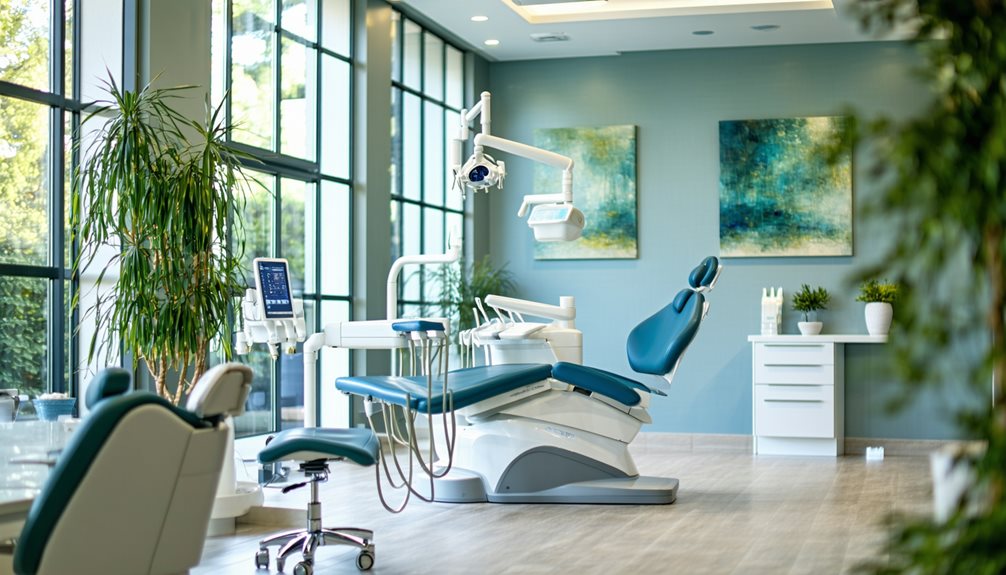
Extensive restorative treatment clinics provide enhanced patient care by utilizing cutting-edge technology, such as high-resolution imaging and computer-guided surgeries, ensuring precision and minimal invasiveness. They offer personalized, patient-centric treatment plans tailored to individual physiological and psychological needs, guided by evidence-based practices. The integrated care approach combines the expertise of multidisciplinary teams, facilitating cohesive treatment strategies and continuous care. Expert dental professionals equipped with advanced knowledge and a commitment to continuous improvement contribute to superior patient outcomes. These clinics also emphasize preventive strategies, which are pivotal for long-term health benefits. Discover more about their holistic and innovative approach.
Advanced Technology and Techniques
Invariably, the landscape of restorative treatment clinics is being transformed by the integration of advanced technology and innovative techniques. This evolution is considerably fueled by the adoption of digital diagnostics, which enhances the precision of clinical evaluations. Digital diagnostics utilize high-resolution imaging and computer-aided design systems, facilitating an accurate assessment of patient conditions. This precision fosters the development of targeted interventions, ensuring ideal outcomes in complex restorative procedures.
Moreover, the advent of innovative materials is revolutionizing restorative dentistry. These materials, characterized by enhanced durability, biocompatibility, and esthetic appeal, enable practitioners to deliver superior treatments. For instance, the use of resin-based composites and ceramic materials has improved the longevity and functionality of dental restorations. Such materials are engineered to mimic the natural structure and appearance of teeth, thereby providing not only functional restoration but also aesthetic satisfaction.
Advanced techniques, such as computer-guided surgery and 3D printing, are also pivotal in modern restorative clinics. These methodologies allow for minimally invasive procedures, reducing recovery times and improving patient comfort.
Consequently, the amalgamation of digital diagnostics, innovative materials, and cutting-edge techniques is setting a new standard in restorative treatment, meeting the demands of an innovation-driven clientele.
Personalized Treatment Plans
Personalized treatment plans in restorative clinics are predicated on a tailored care approach that prioritizes the unique physiological and psychological needs of each patient.
This approach is grounded in a thorough individual needs assessment, which employs validated diagnostic tools and evidence-based methodologies to ascertain the most effective therapeutic interventions.
Tailored Care Approach
A thorough restorative treatment clinic‘s success hinges on its ability to implement tailored care approaches, which are highly individualized and evidence-based treatment plans. These plans are not merely generic protocols but are crafted as customized solutions that consider the unique physiological, psychological, and lifestyle attributes of each patient.
By leveraging advanced diagnostic tools and up-to-date clinical research, clinics can construct personalized treatment regimens that maximize therapeutic efficacy and minimize adverse effects. This approach fosters unique patient experiences, guaranteeing that each individual feels understood and valued, thereby enhancing patient adherence and long-term outcomes.
In the domain of restorative care, innovation is key. Clinics employing tailored care strategies utilize cutting-edge technologies such as genomic testing and digital health platforms to refine their therapeutic approaches continually.
These technologies enable practitioners to monitor patient progress in real-time, allowing for dynamic adjustments to treatment plans as required. The integration of telemedicine further personalizes care, offering flexibility and accessibility.
Additionally, interdisciplinary collaboration among healthcare professionals guarantees a holistic approach, addressing multifaceted health challenges effectively. Such meticulous personalization of care not only optimizes clinical outcomes but also sets a new standard in patient-centered healthcare delivery.
Individual Needs Assessment
Building upon the foundation of a tailored care approach, the process of individual needs assessment is integral to formulating personalized treatment plans in restorative treatment clinics. This critical step involves a thorough patient evaluation, where clinicians employ advanced diagnostic tools and evidence-based methodologies to gather detailed insights into each patient’s unique clinical profile. The objective is to conduct a meticulous needs analysis, pinpointing specific health challenges and therapeutic requirements.
Through leveraging state-of-the-art technologies and interdisciplinary expertise, clinics are equipped to map out a holistic view of the patient’s condition. This process is not only about identifying symptoms but also understanding the underlying physiological, psychological, and lifestyle factors that contribute to the patient’s health status.
The resulting data from this evaluation informs the development of a bespoke treatment plan, tailored specifically to address the identified needs and optimize patient outcomes.
Moreover, the individual needs assessment is an ongoing process, allowing for the adaptation of treatment strategies in response to the patient’s progress and evolving needs. Such a dynamic and responsive approach embodies the innovation-driven ethos of thorough restorative treatment clinics, ensuring that patient care is both precise and progressive.
Expert Dental Professionals
With a commitment to excellence, expert dental professionals are essential in delivering thorough restorative treatments.
A multifaceted approach to patient education empowers individuals to make informed decisions regarding their oral health, which is vital for achieving ideal outcomes in restorative dentistry. The role of these professionals extends beyond the mere application of technical skills; it involves a wide-ranging understanding of advanced materials, innovative techniques, and emerging technologies that drive the field forward.
Expert dental professionals in restorative clinics are characterized by:
-
Continual Professional Development: They engage in ongoing education to stay abreast of cutting-edge advancements, thereby enhancing their ability to implement the latest evidence-based practices.
-
Interdisciplinary Collaboration: By working closely with specialists across various fields, they integrate diverse insights into treatment planning, fostering a holistic approach to patient care.
-
Commitment to Patient-Centric Care****: Their focus on patient education guarantees that individuals are active participants in their treatment journey, enhancing satisfaction and adherence to post-treatment protocols.
This dedication to excellence and innovation distinguishes extensive restorative treatment clinics, providing patients with not only superior dental care but also a pathway to improved long-term oral health.
Comprehensive Services Offered
Thorough restorative treatment clinics employ an integrated care approach that synthesizes multiple dental specialties to address complex patient needs efficiently.
Utilizing evidence-based methodologies, these clinics develop personalized treatment plans that are tailored to the unique clinical presentations and health objectives of each patient.
This holistic model not only optimizes treatment outcomes but also enhances patient satisfaction by ensuring continuity of care across various therapeutic interventions.
Integrated Care Approach
In the domain of restorative treatment, an integrated care approach is pivotal in delivering extensive services that address the multifaceted needs of patients. This methodology synthesizes various therapeutic modalities into a cohesive framework, ensuring thorough patient care. By promoting integrated health, clinics are able to provide a spectrum of services that encompass physical, mental, and emotional dimensions, essential for holistic wellness.
The integration of diverse healthcare disciplines facilitates seamless shifts between treatment phases, optimizing patient outcomes through collaborative efforts.
An integrated care approach is characterized by:
-
Multidisciplinary Collaboration: Engaging professionals from diverse specialties, such as physiotherapy, psychology, and nutrition, to construct a unified treatment strategy.
-
Continuity of Care: Ensuring uninterrupted service delivery through coordinated communication and shared patient records among healthcare providers, thereby reducing the risk of fragmented care.
-
Patient-Centered Focus: Tailoring interventions to individual needs by considering the patient’s unique health profile and personal circumstances, promoting empowerment and active participation in the recovery process.
Empirical evidence supports the efficacy of this model, highlighting improved recovery rates and patient satisfaction.
For those seeking innovative healthcare solutions, the integrated care approach in extensive restorative treatment clinics represents a progressive paradigm, addressing complex health issues with precision and efficacy.
Personalized Treatment Plans
Building upon the integrated care approach, personalized treatment plans are crafted to address the specific needs of each patient, leveraging the full range of extensive services offered by restorative treatment clinics. This individualized strategy guarantees that patient preferences and treatment goals are meticulously aligned with evidence-based interventions.
By harnessing advanced diagnostic tools and interdisciplinary expertise, clinicians can tailor therapeutic modalities that are both innovative and effective.
The development of personalized treatment plans involves a thorough evaluation of the patient’s medical history, lifestyle factors, and psychosocial context. This holistic assessment facilitates the identification of unique clinical pathways that optimize patient outcomes.
Through the application of precision medicine principles, restorative treatment clinics integrate cutting-edge technologies such as genetic profiling and biomarker analysis to refine therapeutic options.
Moreover, patient engagement in the decision-making process is paramount, guaranteeing that the treatment regimen resonates with individual values and expectations. This collaborative model not only enhances adherence to therapeutic protocols but also fosters a sense of empowerment and motivation in patients.
Ultimately, the meticulous design of personalized treatment plans in restorative clinics exemplifies a forward-thinking approach, adeptly balancing innovation with patient-centric care to achieve superior health outcomes.
Patient-Centric Care Approach
A patient-centric care approach prioritizes individual patient needs, preferences, and values, guaranteeing that they guide all clinical decisions and service delivery. This approach is integral to all-encompassing restorative treatment clinics, where the emphasis is on collaborative decision-making and holistic wellness.
By involving patients in every step of their care, clinics foster a sense of empowerment and guarantee that treatments align with personal health objectives and lifestyle choices.
The patient-centric model enhances clinical outcomes through:
-
Collaborative Decision Making: Patients actively participate in their treatment planning, leading to more tailored and effective solutions. This shared decision-making process incorporates patient feedback, clinical evidence, and professional expertise to design ideal care strategies.
-
Integrated Care Teams: Multidisciplinary teams work synergistically, addressing both oral health and overall well-being. By integrating diverse specialties, clinics can deliver all-encompassing care that acknowledges the interconnected nature of health.
-
Continuous Patient Engagement: Regular follow-ups and open channels of communication guarantee that care is adaptive and responsive to evolving patient needs. This ongoing dialogue supports sustained health improvements and patient satisfaction.
Embracing a patient-centric approach not only respects patient autonomy but also propels innovative practices in restorative dentistry, ultimately advancing the field towards more personalized and effective healthcare solutions.
Long-Term Oral Health Benefits
Long-term oral health benefits are a cornerstone of extensive restorative treatment clinics, where the focus is on sustaining oral wellness beyond immediate care. These clinics implement preventive strategies that are meticulously designed to avert future dental complications.
By integrating evidence-based practices, they emphasize the importance of maintaining an ideal oral environment, minimizing pathogenic colonization, and reducing the incidence of caries and periodontal diseases.
A pivotal aspect of achieving long-term oral health is the incorporation of lifestyle modifications tailored to individual needs. These modifications often involve dietary adjustments, enhanced oral hygiene practices, and cessation of detrimental habits such as smoking. A personalized approach guarantees that patients are equipped with the tools necessary to maintain oral health autonomously.
Moreover, the use of advanced diagnostic technologies in these clinics facilitates early detection of potential issues, enabling preemptive interventions that are less invasive and more cost-effective in the long run.
This approach not only extends the longevity of dental restorations but also enhances the overall quality of life for patients, aligning with the innovative pursuit of sustainable healthcare solutions.
Frequently Asked Questions
What Are the Typical Costs Associated With Comprehensive Restorative Treatments?
The cost breakdown for thorough restorative treatments varies considerably, typically ranging from $3,000 to $30,000. Treatment comparison indicates that expenses fluctuate based on complexity, advanced technologies employed, and individualized care plans tailored to each patient’s unique requirements.
How Do Restorative Clinics Handle Dental Emergencies?
Restorative clinics address dental emergencies through established emergency protocols, ensuring rapid patient triage and prioritization. Advanced diagnostic tools and innovative treatment methodologies are employed, facilitating efficient management of urgent cases while minimizing patient discomfort and optimizing treatment outcomes.
Are Financing Options Available for Restorative Dental Procedures?
Restorative dental procedures often offer flexible payment plans and collaborate with various insurance coverage providers. Such options are designed to enhance accessibility, ensuring patients can pursue innovative treatment solutions without immediate financial burden, fostering broader patient inclusivity.
What Measures Are in Place to Ensure Patient Safety During Procedures?
Patient safety during procedures is guaranteed through rigorous patient monitoring and stringent infection control protocols. These measures include real-time essential sign tracking and adherence to sterilization standards, providing an innovative approach to minimizing procedural risks and enhancing outcomes.
How Does a Clinic’s Location Impact Treatment Accessibility?
A clinic’s location greatly affects treatment accessibility, with urban accessibility offering enhanced transportation and infrastructure, while rural challenges include limited healthcare facilities and increased travel times, necessitating innovative solutions to bridge the geographical disparity in healthcare access.
Conclusion
Thorough restorative treatment clinics offer significant advantages due to their integration of advanced technology and techniques, personalized treatment plans, and the expertise of dental professionals. These clinics provide a wide range of services, ensuring a holistic approach to dental care. Emphasizing a patient-centric care model, they focus on long-term oral health benefits. The utilization of evidence-based practices and precise methodologies in these clinics contributes to improved treatment outcomes and enhanced patient satisfaction, establishing them as ideal choices for restorative dental care.

